
AI inventory automation is transforming how businesses manage and optimize stock levels. By leveraging artificial intelligence for automated stock tracking and smarter supply chain decisions, companies are reducing costs, minimizing stockouts, and responding faster to market changes. This article reveals the latest AI-driven strategies for inventory management and actionable steps to future-proof your operations in 2026.
Understanding AI Inventory Automation and Its Business Value
AI inventory automation revolutionizes inventory management by leveraging advanced algorithms and real-time data to optimize stock levels, minimize costs, and reduce manual intervention. Businesses adopting AI-driven inventory solutions experience measurable improvements in accuracy, responsiveness, and profitability. In today's volatile supply chain environment, the ability to automate stock tracking and decision-making is a key differentiator.
- Automated demand forecasting: AI systems analyze historical sales, market trends, and external factors (like weather, promotions, and economic shifts) to predict future inventory needs with up to 20% greater accuracy than traditional methods.
- Dynamic replenishment: Instead of static reorder points, AI continuously adjusts restocking based on real-time sales and supply chain events. This agility reduces stockouts and prevents costly overstock.
- Operational efficiency: By automating repetitive inventory tasks, companies can reallocate staff to higher-value activities, cut labor costs, and achieve up to 50% gains in productivity.
For example, a global retailer using AI inventory automation reported a 45% reduction in stockouts and a 30% decrease in holding costs within the first year. These improvements translated into higher customer satisfaction and a direct boost to the bottom line. As supply chains become more complex, AI inventory automation delivers a scalable and future-proof solution for businesses seeking to optimize stock levels and outperform competitors.
- Stockouts Reduced
- 45 %
- Inventory Holding Costs Saved
- 30 %
- Forecast Accuracy Improvement
- 20 %
- Operational Efficiency Gain
- 50 %

Key Benefits: Why Automate Stock Tracking with AI?
Automating stock tracking with AI brings substantial, measurable benefits to inventory management. By minimizing manual work and leveraging real-time analytics, organizations can achieve new levels of accuracy, speed, and cost efficiency. This shift is critical as supply chains become increasingly complex and customer expectations rise.
- Error reduction: According to industry studies, manual inventory tracking can lead to error rates as high as 8%. Automation slashes this figure, ensuring data reliability and reducing the risk of costly mistakes like overselling or misplacement of goods.
- 24/7 visibility and control: AI-powered platforms provide continuous, real-time stock insights across multiple locations. This transparency supports faster, better decisions—helping organizations cut response times to supply chain disruptions by up to 40%.
- Optimized replenishment processes: AI analyzes sales, seasonality, and external factors to trigger timely reorders, reducing both overstock (which can tie up 20-30% of working capital) and stockouts (which can erode customer loyalty).
Implementing AI supply chain automation not only improves the bottom line but also empowers staff, allowing them to focus on strategic initiatives. As a result, businesses gain a competitive edge through agility, reliability, and enhanced customer service.
- <strong>Reduced manual errors</strong> — Automation eliminates data entry mistakes and improves accuracy.
- <strong>Real-time visibility</strong> — Live dashboards provide instant insight into stock levels and movement.
- <strong>Demand-driven replenishment</strong> — AI predicts when to reorder, reducing overstock and shortages.
- <strong>Enhanced supplier collaboration</strong> — Automated alerts and forecasts streamline restocking processes.
| Feature | Traditional Inventory | AI Inventory Automation |
|---|---|---|
| Stock Tracking | Manual, periodic | Real-time, continuous |
| Forecasting | Spreadsheet-based | AI-powered, predictive |
| Error Rate | High | Minimal |
| Scalability | Limited | Highly scalable |
| Response Time | Reactive | Proactive |
AI-driven inventory management is no longer a luxury but a necessity for companies seeking resilience and agility in their supply chains.
— Emily Chen, Supply Chain Analyst, 2026
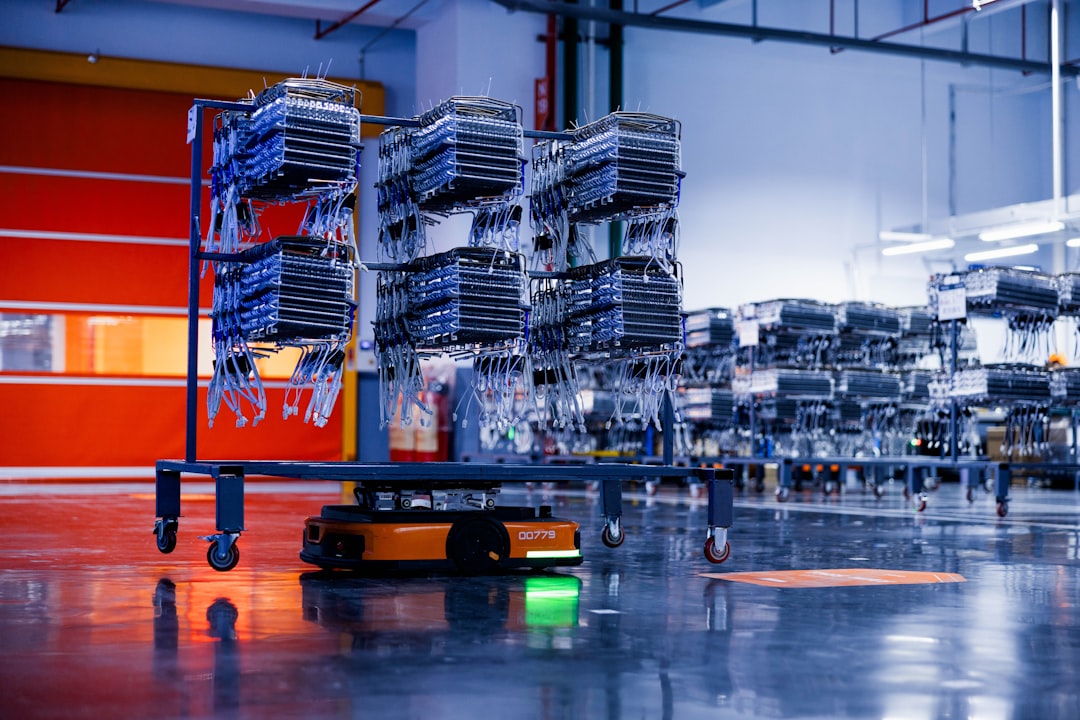
Core Technologies Driving AI Inventory Automation
The foundation of AI inventory automation is built on a suite of advanced technologies that work together to modernize and streamline stock management. These core innovations make it possible to automate stock tracking, forecast demand with precision, and enable real-time decision-making across the AI supply chain.
- Machine learning: AI models process massive datasets—such as sales history, supplier lead times, and external market signals—to uncover patterns and predict future inventory needs. For example, retailers leveraging machine learning have reported up to a 20% boost in forecast accuracy.
- IoT and RFID technology: Smart sensors and RFID tags enable item-level visibility, automatically logging stock movements and environmental conditions. This technology can reduce shrinkage losses by 25% and provide the instant, granular data needed for AI-driven decisions.
- Cloud-based integration: Centralized, scalable platforms break down data silos and enable seamless collaboration across distributed teams and locations. This is crucial for businesses managing multiple warehouses or omnichannel distribution networks.
- AI-powered dashboards: Interactive analytics tools translate complex data into actionable insights, flagging anomalies and recommending interventions. These dashboards can cut the time spent on data analysis by up to 60%.
By combining these technologies, organizations lay the groundwork for a responsive, data-driven inventory strategy that scales with business growth and adapts to market dynamics.
- <strong>Machine learning algorithms</strong> — Analyze sales history and seasonal trends for better forecasting.
- <strong>IoT sensors and RFID tags</strong> — Enable real-time tracking and monitoring of goods.
- <strong>Cloud integration</strong> — Provides scalable, centralized data access for distributed teams.
- <strong>AI-powered dashboards</strong> — Visualize KPIs, alert on anomalies, and guide decision-making.
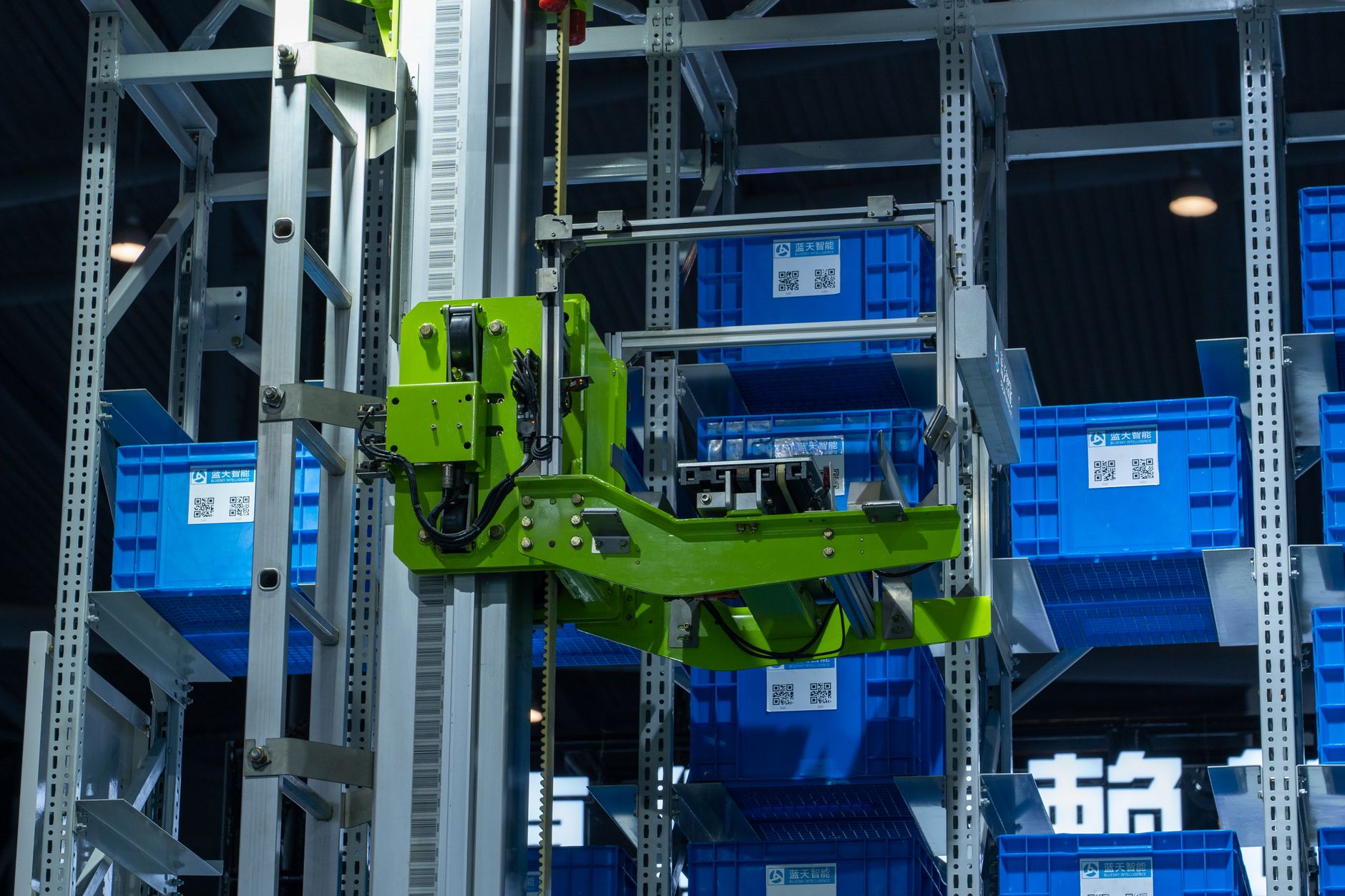
Step-by-Step: How to Implement AI Inventory Automation
Implementing AI inventory automation is a structured process that requires careful planning and coordination across technology and operations teams. By following a clear set of steps, businesses can automate stock tracking, improve accuracy, and maximize supply chain efficiency.
The journey begins with a thorough assessment of existing inventory processes to identify inefficiencies and areas ripe for automation. According to a 2023 Gartner report, companies that properly analyze their workflows before implementation achieve up to 30% faster ROI from AI projects. Next, selecting the right AI tools and platforms tailored to your business’s scale and needs is crucial—cloud-based solutions are favored by 65% of enterprises due to their scalability and integration capabilities.
- Assess Current Inventory Processes: Audit existing systems, identify bottlenecks, and map data sources.
- Select AI Tools & Platforms: Evaluate solutions based on compatibility, support, and scalability.
- Integrate IoT Sensors & Data: Deploy smart devices for real-time data collection on inventory movement and conditions.
- Configure AI Forecasting Models: Use historical and real-time data to train predictive models that automate replenishment and minimize stockouts.
- Monitor & Optimize: Continuously track system performance and refine models to adapt to changing business needs.
To ensure a seamless transition, involve key stakeholders from IT, operations, and procurement in every phase. The end result is automated stock optimization, which enables businesses to reduce manual tasks, respond rapidly to demand shifts, and maintain precise stock levels at all times.
- Assess Current Inventory Processes
- Select AI Tools & Platforms
- Integrate IoT Sensors & Data
- Configure AI Forecasting Models
- Monitor & Optimize
- Automated Stock Optimization
Overcoming Challenges in AI-Driven Inventory Management
AI-driven inventory management offers transformative benefits, but organizations must address several challenges to fully realize its potential. The most common obstacles include data quality issues, integration complexity, and staff adaptation to new technologies.
For example, a 2022 McKinsey survey found that 47% of supply chain leaders cited data integration and quality as the main barrier to successful AI adoption. Addressing these challenges is critical for achieving accurate forecasts and reliable automation.
- Data Quality and Consistency: Ensure that inventory data is clean, complete, and regularly updated. Poor data can lead to inaccurate predictions and costly errors.
- Integration with Legacy Systems: Many businesses operate with legacy ERP or WMS solutions. Seamless integration is essential for real-time synchronization and visibility.
- Change Management and Training: Staff may resist new AI-driven processes. Invest in comprehensive training and clear communication to facilitate adoption.
- Scalability: As businesses grow, AI systems must adapt without performance loss. Choose solutions with proven scalability and support.
Best practices include running pilot projects, using standardized data formats, and involving cross-functional teams early in the process. By proactively addressing these hurdles, companies can pave the way for successful AI supply chain initiatives and sustained operational gains.
How to Ensure Data Quality for AI Models
Reliable AI inventory automation depends on clean, accurate, and up-to-date data from all sources. Invest in data validation tools and regular audits to ensure model reliability.
Real-World Results: Case Studies in AI Inventory Automation
Real-world case studies demonstrate the substantial impact of AI inventory automation across diverse industries. Companies adopting these technologies consistently report significant reductions in stockouts, wastage, and lead times.
For instance, in the e-commerce sector, RetailCo implemented AI-powered demand forecasting and achieved a 60% reduction in stockouts within twelve months. In the pharmaceutical industry, PharmaFast leveraged IoT sensors for real-time inventory monitoring, cutting wastage by 40%. Automotive supplier AutoParts Global adopted AI-driven replenishment systems, reducing order lead time by 35% and improving customer satisfaction scores by 20%.
- Faster Response Times: Automated alerts and analytics enable rapid decision-making, minimizing lost sales and excess inventory.
- Cost Savings: Data-driven optimization reduces holding costs and manual labor requirements.
- Scalable Impact: Companies with multiple warehouses report consistent results across locations, driving group-wide efficiency gains.
These examples illustrate the measurable benefits of AI inventory automation and highlight how data-driven decisions can transform supply chain performance. As adoption accelerates, more sectors are poised to realize similar operational and financial improvements.
| Company | Sector | AI Solution | Improvement |
|---|---|---|---|
| RetailCo | E-commerce | AI Demand Forecasting | Stockouts -60% |
| PharmaFast | Pharmaceuticals | IoT Inventory Sensing | Wastage -40% |
| AutoParts Global | Automotive | AI Replenishment | Order Lead Time -35% |
Future Trends: AI Supply Chain Optimization Beyond 2026
The future of AI inventory automation is poised to revolutionize supply chain efficiency far beyond 2026. As AI-driven technologies continue to mature, businesses can expect smarter, more adaptive inventory management systems that not only optimize stock levels but also transform global logistics. Research from Gartner predicts that by 2027, over 75% of enterprise supply chains will leverage AI-driven decision-making, compared to just 20% in 2022.
Key trends shaping this evolution include:
- Predictive Analytics: Advanced AI algorithms are increasingly capable of forecasting demand with over 90% accuracy by analyzing historical sales, market trends, and external factors such as weather or political events. This enables companies to anticipate fluctuations and automate stock tracking proactively.
- Autonomous Supply Chains: The rise of fully automated, self-optimizing supply chains—where AI systems coordinate procurement, storage, and distribution—will minimize human intervention. Self-optimizing warehouses powered by robotics and IoT sensors are projected to increase fulfillment speed by up to 50% and reduce error rates by 70%.
- Sustainability: AI is driving the adoption of waste reduction algorithms that identify excess inventory, recommend optimized reorder points, and even suggest sustainable sourcing. Businesses are expected to cut inventory waste by as much as 30% within the next five years, supporting both profitability and environmental goals.
- Blockchain Integration: By integrating blockchain with AI inventory automation, companies can achieve end-to-end supply chain transparency, enhance traceability, and reduce fraud. This trend is particularly crucial for industries with complex regulatory requirements, such as pharmaceuticals and food logistics.
To stay ahead, organizations should invest in continuous AI upskilling, robust data integration, and scalable cloud infrastructure. Embracing these innovations will not only automate stock tracking but also unlock new levels of visibility, agility, and resilience across the entire AI supply chain.
- AI Inventory Automation
- Predictive Analytics
- Autonomous Supply Chains
- Sustainability
- Blockchain Integration
- AI-Driven Demand Sensing
- Self-optimizing Warehouses
- Waste Reduction Algorithms
- What is AI inventory automation?
- AI inventory automation refers to the use of artificial intelligence, machine learning, and IoT technologies to automate and optimize inventory tracking, replenishment, and forecasting processes.
- How does AI help optimize stock levels?
- AI analyzes sales patterns, supplier lead times, and market trends to forecast demand accurately, automate reordering, and minimize excess or insufficient stock.
- What are the main benefits of automating stock tracking?
- Automating stock tracking improves accuracy, reduces manual errors, provides real-time inventory visibility, and enables proactive supply chain decisions.
- Are AI inventory systems suitable for small businesses?
- Yes, many AI-driven inventory solutions are scalable and cloud-based, making them accessible and cost-effective for small and midsize enterprises.
- What challenges should companies consider before implementing AI inventory automation?
- Key challenges include data quality, system integration, employee training, and change management. Pilot projects and phased rollouts can help mitigate these risks.