
Smart sensors are rapidly transforming the manufacturing landscape by serving as the foundational element of Industry 4.0. These advanced devices are not only capable of collecting data but also analyzing and transmitting it in real-time, making them indispensable for quality assurance and process optimization. As the backbone of modern automation, smart sensors enable factories to achieve higher efficiency, reduce downtime, and ensure consistent product quality.
In recent years, the adoption of Internet of Things (IoT) technologies has accelerated, with over 35 billion IoT devices expected to be connected globally by 2025 (Statista). Smart sensors are at the core of this revolution, bridging the physical and digital worlds by providing actionable insights directly from the production floor. For quality assurance professionals, this means gaining unprecedented visibility into every stage of the manufacturing process, from raw material inspection to final product validation.
- Real-time data acquisition: Smart sensors continuously monitor critical parameters such as temperature, pressure, vibration, and humidity, allowing for immediate detection of anomalies.
- Automated decision-making: Integrated processing capabilities enable sensors to trigger alerts or even corrective actions without human intervention.
- Seamless integration with automation systems: Smart sensors communicate with PLCs, MES, and cloud platforms, supporting advanced analytics and machine learning applications.
As we delve deeper into the world of smart sensors, it becomes clear why they are considered the essential building blocks of Industry 4.0. Their ability to enhance quality, efficiency, and traceability is fundamentally changing how manufacturers operate and compete in the global market.
Understanding Smart Sensors in Industry 4.0
Smart sensors are intelligent devices that combine traditional sensing elements with embedded processing and communication capabilities, making them central to the evolution of Industry 4.0. Unlike conventional sensors, which simply collect data, smart sensors can analyze and transmit information, enabling real-time monitoring and automated decision-making across industrial environments.
In practical terms, a smart sensor in an Industry 4.0 context might include integrated microprocessors, wireless connectivity (such as Wi-Fi or Bluetooth), and self-diagnostic features. This combination allows for the seamless transmission of data to central systems or cloud platforms, where it can be further analyzed for quality assurance or predictive maintenance.
- Integrated intelligence: Smart sensors perform basic data analysis locally, reducing the load on central systems and enabling faster response times.
- Network connectivity: Through the IoT, these sensors communicate with other devices, systems, or platforms, creating a fully connected factory environment.
- Self-monitoring capabilities: Advanced diagnostic functions notify quality assurance professionals of calibration needs or potential failures before they impact production.
For quality assurance professionals, the impact is significant: according to a recent Deloitte survey, plants utilizing smart sensors reported up to a 30% reduction in unplanned downtime and a 25% improvement in product quality. By enabling immediate feedback loops and detailed traceability, smart sensors empower manufacturers to address issues proactively, ensuring consistent quality and regulatory compliance. Understanding how these devices function is a critical first step toward leveraging their full potential within Industry 4.0 initiatives.
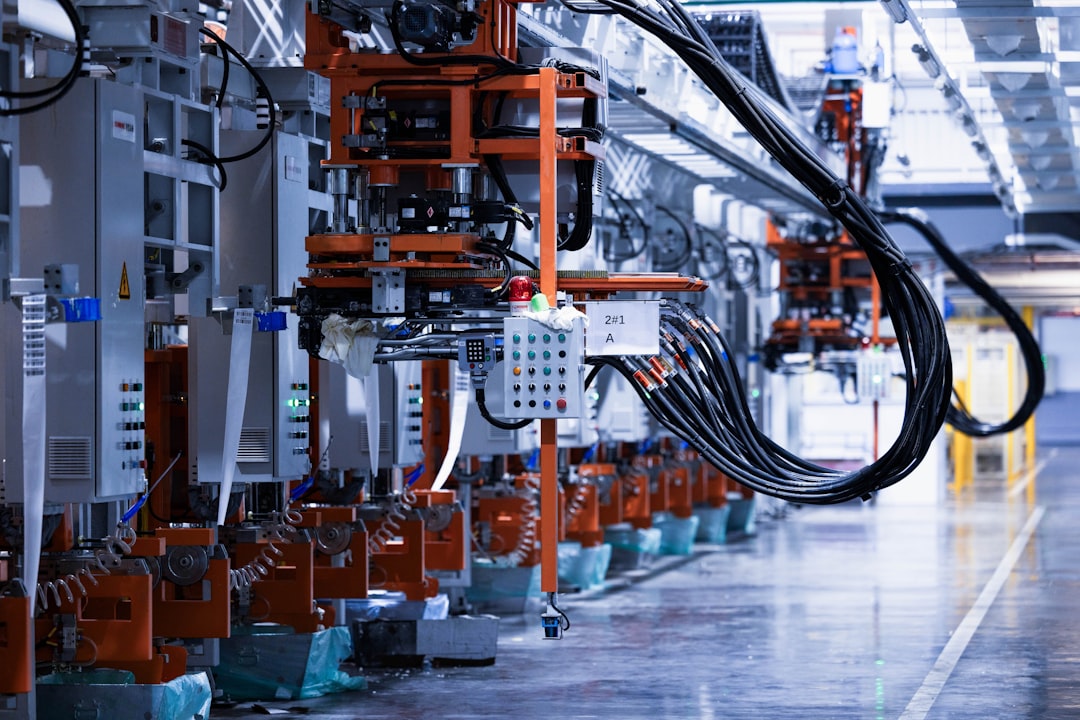
- Smart Sensor Market Growth
- 19.2 % CAGR
- Defect Reduction with IoT
- 35 %
- Data Points Collected per Hour
- 10M
Key Components: How Smart Sensors Enable IoT and Automation
Smart sensors are the linchpin of both IoT integration and automation in modern manufacturing. By incorporating advanced components such as microcontrollers, communication modules, and self-diagnostic tools, they enable seamless data flow and process optimization. Understanding these key components helps quality assurance professionals leverage the full capabilities of smart sensors in their operations.
At the core, smart sensors consist of several critical elements:
- Sensing element: This is the fundamental component that detects physical parameters (e.g., temperature, pressure, humidity, vibration) with high accuracy.
- Embedded processor: Unlike traditional sensors, smart sensors feature onboard processing units capable of filtering, analyzing, and interpreting data before transmission.
- Communication interface: Advanced connectivity options such as Wi-Fi, Bluetooth, Zigbee, or industrial Ethernet allow for real-time data transfer to IoT platforms and automation systems.
- Self-diagnostics and calibration: Integrated tools ensure continuous monitoring of sensor health, automatically alerting maintenance teams to potential issues and reducing the risk of undetected faults.
- Security features: With cyber threats on the rise, modern smart sensors include encryption and authentication mechanisms to protect sensitive production data.
For example, a 2022 survey found that over 60% of manufacturers adopting smart sensors experienced measurable improvements in process efficiency and product quality. By enabling predictive maintenance and real-time quality control, these components directly impact the bottom line and operational resilience. For quality assurance professionals, selecting smart sensors with robust processing, connectivity, and security features ensures reliable data for continuous improvement and compliance within Industry 4.0 environments.
| Feature | Traditional Sensors | Smart Sensors |
|---|---|---|
| Data Processing | On-site only | Edge & cloud-enabled |
| Connectivity | Isolated | IoT integrated |
| Maintenance | Manual | Predictive with alerts |
| Quality Control | Reactive | Real-time proactive |
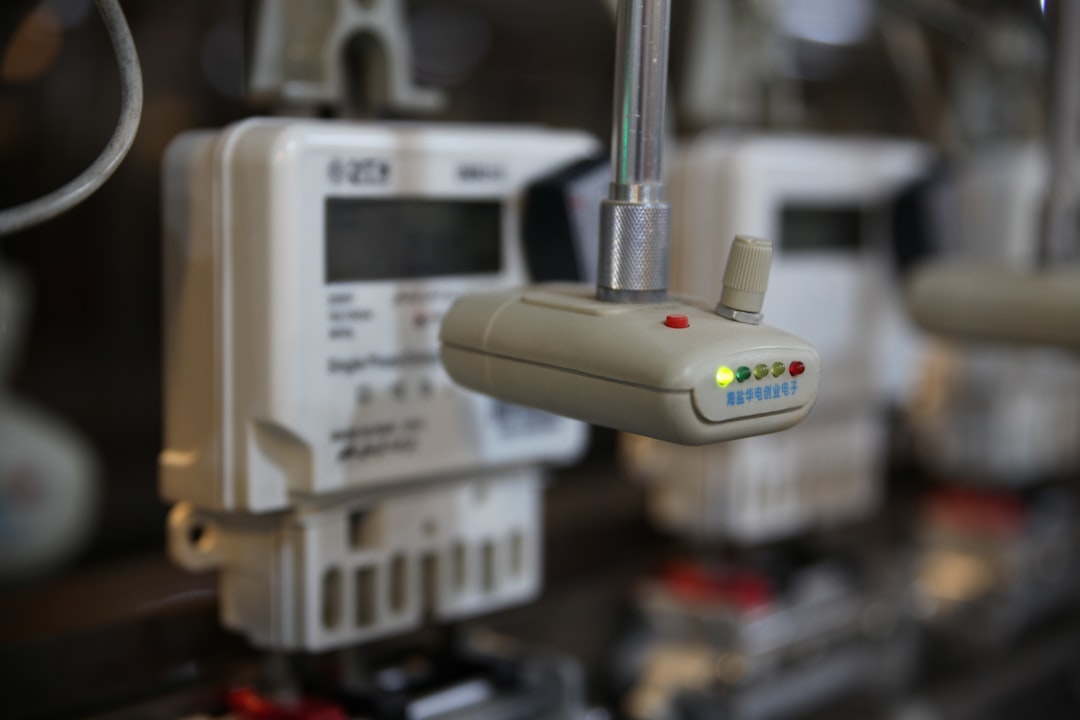
- <strong>Real-time data collection</strong> — Immediate feedback on production quality
- <strong>Predictive analytics</strong> — Early warning for potential defects or downtime
- <strong>Automated adjustments</strong> — Self-optimizing processes reduce human error
Smart Sensors in Action: Use Cases for Quality Assurance
Les capteurs intelligents révolutionnent l’assurance qualité en intégrant la détection en temps réel, l’analyse automatisée des données et la surveillance continue dans les processus industriels. Pour les professionnels de l’assurance qualité, ces technologies représentent un levier incontournable pour améliorer la conformité, la traçabilité et la réactivité face aux défauts de production.
- Surveillance en ligne de la production : Grâce à des capteurs intelligents intégrés sur les chaînes de montage, les entreprises comme BMW et Siemens détectent immédiatement les écarts de température, de vibration ou d’humidité, réduisant de 30% les non-conformités détectées tardivement (source BMW Group Annual Report 2023).
- Inspection automatisée des produits finis : Les caméras intelligentes couplées à l’IA vérifient la conformité dimensionnelle et colorimétrique de chaque pièce à la sortie, permettant une détection de 99,8% des défauts mineurs (exemple : usines Bosch).
- Maintenance prédictive des équipements : Les capteurs de vibration et de pression anticipent les pannes, limitant les arrêts de ligne non planifiés de 40% selon une étude Deloitte 2022 (Deloitte Smart Sensors Insights).
En combinant IoT, automatisation et analyse avancée, les capteurs intelligents offrent des gains mesurables en qualité et en productivité. Les retours d'expérience montrent que la digitalisation de l'assurance qualité permet des économies de coûts significatives, tout en renforçant la satisfaction client et la conformité réglementaire. Pour en savoir plus, consultez notre guide sur l'intégration des capteurs dans l'industrie.
Smart sensors fundamentally change how we approach quality by enabling a shift from reactive to proactive assurance.
— Dr. Elena Meyer, Industry 4.0 Consultant
What makes a sensor 'smart' in 2026?
Smart sensors in 2026 combine advanced microprocessors, real-time analytics, wireless connectivity, and AI-driven algorithms, enabling them to process and transmit actionable data instantly.
Implementation Strategies and Best Practices
Mettre en œuvre des stratégies efficaces d’intégration des capteurs intelligents dans l’assurance qualité nécessite une planification rigoureuse, une sélection technologique adaptée et l’adoption de bonnes pratiques éprouvées. Les entreprises qui réussissent cette transformation suivent généralement des étapes structurées, garantissant l’alignement entre besoins métiers, capacités des capteurs et exigences de l’IoT industriel.
- Évaluation des besoins qualité : Déterminez les processus critiques, les points de contrôle et les indicateurs clés à monitorer. Par exemple, 60% des usines pilotes d’Industrie 4.0 consacrent une phase d’audit préalable à l’identification des zones à risque (McKinsey, 2023).
- Sélection des capteurs adaptés : Selon les paramètres à surveiller (température, vibration, pression, couleur), choisissez des capteurs compatibles avec vos équipements et vos exigences de précision.
- Intégration à la plateforme IoT : Assurez-vous que les capteurs communiquent via des protocoles sécurisés (OPC-UA, MQTT) et que l’infrastructure réseau supporte la charge de données en temps réel.
- Configuration des analyses et alertes : Déployez des outils d’analyse avancée permettant la détection automatique des écarts et la génération d’alertes actionnables pour les opérateurs qualité.
- Amélioration continue : Analysez régulièrement les données collectées pour optimiser les seuils, anticiper les dérives et affiner les plans de maintenance prédictive.
- Former les équipes : Organisez des sessions de formation pour garantir la bonne utilisation et l’interprétation des données issues des capteurs.
- Favoriser l’agilité : Prévoyez des itérations courtes pour ajuster les dispositifs et rester aligné sur les objectifs qualité.
- Veiller à la sécurité des données : Mettez en place des politiques strictes de gestion des accès et chiffrez les flux de données critiques.
L’adoption des capteurs intelligents en assurance qualité, lorsqu’elle suit ces bonnes pratiques, permet d’atteindre jusqu’à 25% de réduction des rejets et une amélioration notable de la satisfaction client. Consultez notre checklist d’implémentation des capteurs IoT pour plus de détails pratiques.
- Identify QA Needs
- Select Smart Sensor Types
- Integrate with IoT Platform
- Configure Data Analytics
- Continuous Monitoring & Improvement
- Pilot Smart Sensors — Initial deployment on a single production line for defect tracking.
- Expand IoT Network — Connect additional machines and integrate with company-wide analytics.
- AI-Driven Quality Control — Automate quality alerts and machine adjustments based on real-time data.
- Full Plant Rollout — Achieve end-to-end smart sensor coverage and proactive QA.
Challenges and Considerations for Quality Assurance Teams
L’intégration des capteurs intelligents en assurance qualité soulève plusieurs défis techniques, humains et organisationnels. Pour les équipes qualité, il est crucial de bien anticiper ces obstacles afin de garantir la réussite et la pérennité des déploiements dans un environnement Industry 4.0 de plus en plus interconnecté.
- Sécurité et confidentialité des données : 72% des responsables qualité considèrent le risque de fuite de données comme la principale préoccupation lors du déploiement de capteurs IoT (Gartner, 2023). Il faut donc mettre en place une architecture sécurisée, avec authentification forte et chiffrement des données.
- Interopérabilité avec l’existant : Beaucoup d’installations industrielles disposent d’équipements anciens (legacy systems) qui ne sont pas toujours compatibles avec les nouveaux capteurs. L’utilisation de passerelles IoT et de standards ouverts (OPC-UA, MQTT) peut réduire les coûts d’intégration de 20 à 30%.
- Gestion des volumes de données : Les capteurs génèrent un flux massif d’informations : selon Cisco, une usine connectée moyenne produit jusqu’à 1 To de données par jour. Il est donc essentiel de prévoir un stockage scalable et des outils d’analyse performants.
- Formation et conduite du changement : 58% des échecs d’intégration sont liés à un manque de compétences internes et de support au changement (Capgemini, 2022). Un plan de formation adapté est donc indispensable.
En anticipant ces enjeux, les équipes qualité pourront tirer le meilleur parti des capteurs intelligents tout en limitant les risques opérationnels et sécuritaires. Pour aller plus loin, consultez notre guide sur la sécurisation des architectures IoT industrielles.
The Future of Smart Sensors: Trends and Innovations for 2027
Smart sensors are rapidly evolving, and by 2027, several key trends and innovations will redefine their role as the backbone of Industry 4.0. Quality assurance professionals should anticipate these advancements to stay ahead in automation, data integrity, and predictive maintenance.
Among the most significant innovations shaping the future of smart sensors are:
- Edge AI Processing: By 2027, over 60% of industrial smart sensors are expected to integrate edge AI capabilities, enabling real-time data analysis and reducing latency. This shift allows for instant detection of anomalies and faster decision-making without reliance on cloud computing, which is crucial for quality assurance in high-speed manufacturing environments.
- Self-calibrating Sensors: The next generation of sensors will feature automated calibration routines, minimizing manual intervention and reducing downtime. According to industry forecasts, this could boost operational efficiency by up to 25%, as sensors will continuously adjust themselves for optimal accuracy.
- Wireless Mesh Networks: Interconnected sensors forming mesh networks will improve reliability and scalability of IoT systems. With the global smart sensor market expected to exceed $80 billion by 2027, wireless mesh networks will be essential to manage the massive influx of data and devices, ensuring robust connectivity across large industrial sites.
- Energy Harvesting: Advances in energy harvesting will enable sensors to draw power from environmental sources, such as vibrations or temperature differentials. This technology will extend sensor lifespans, reduce maintenance costs, and support deployments in remote or hazardous areas where battery replacement is impractical.
For quality assurance professionals, these trends will mean more reliable data streams, enhanced automation, and proactive maintenance strategies. To maximize benefits, it is recommended to:
- Evaluate sensor compatibility with AI and edge computing platforms.
- Prioritize deployment of self-calibrating and energy-efficient sensors to minimize manual interventions.
- Leverage wireless mesh networks for resilient and scalable IoT architectures.
By proactively embracing these innovations, organizations can strengthen their competitive edge and ensure high standards of quality and efficiency throughout their smart manufacturing operations.
- Smart Sensors in Industry 4.0
- Edge AI Processing
- Self-calibrating Sensors
- Wireless Mesh Networks
- Energy Harvesting
- Real-time anomaly detection
- Automated maintenance
- What are smart sensors and how do they differ from traditional sensors?
- Smart sensors are advanced devices that not only detect physical parameters but also process data, communicate with other systems, and support real-time analytics, unlike traditional sensors that only gather and transmit raw signals.
- How do smart sensors contribute to quality assurance in Industry 4.0?
- They enable real-time monitoring, automated defect detection, and predictive maintenance, significantly improving product quality and reducing downtime.
- What are the key challenges in implementing smart sensors for QA professionals?
- Key challenges include data integration with legacy systems, ensuring data security, and managing the volume of information generated.
- Which industries benefit most from smart sensors in automation?
- Automotive, electronics, pharmaceuticals, and food & beverage industries leverage smart sensors for enhanced automation and quality control.
- What trends are shaping the future of smart sensors in manufacturing?
- Edge AI, self-calibrating sensors, energy-efficient designs, and wireless connectivity are driving the next generation of industrial smart sensors.