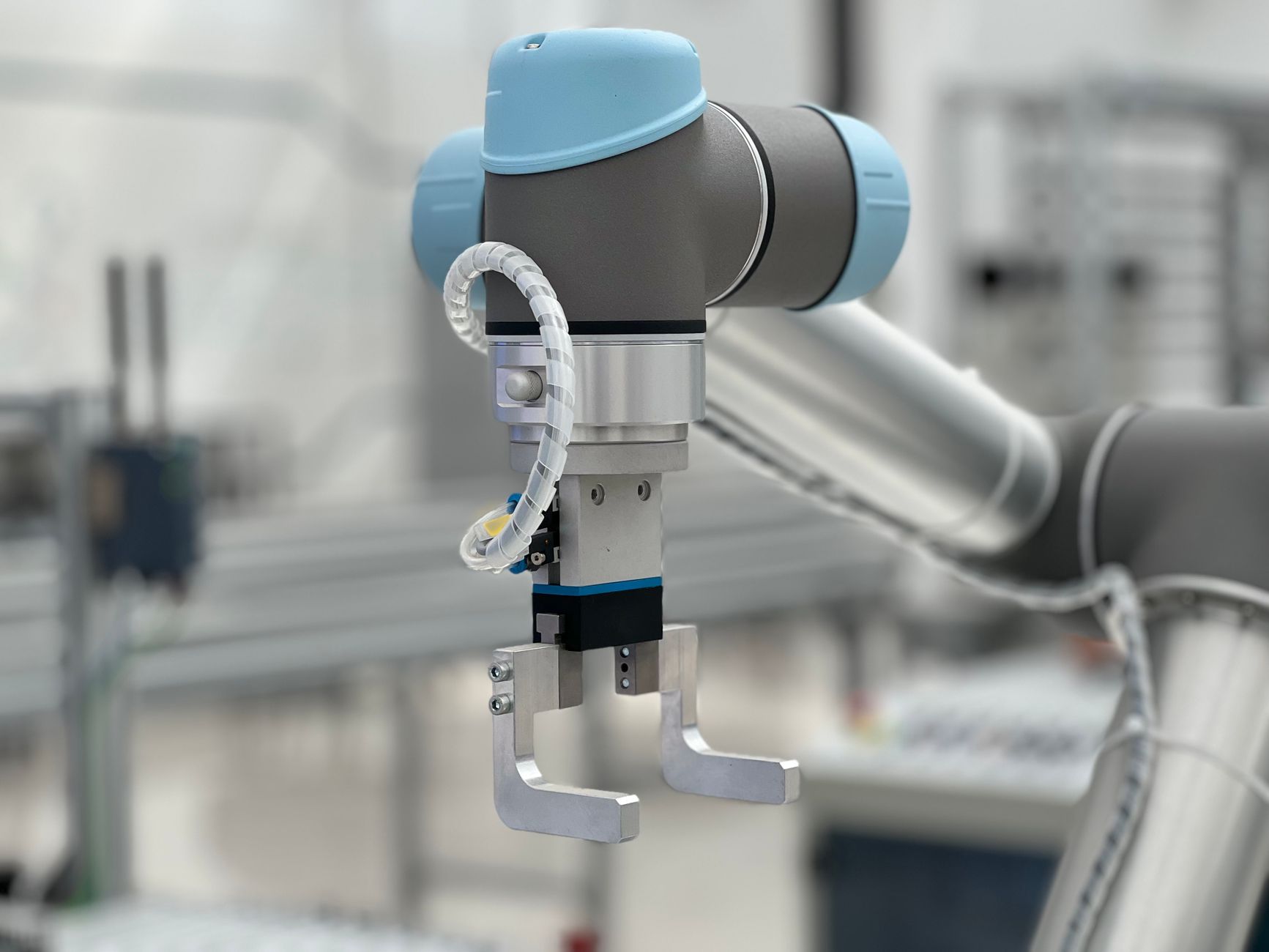
Industry 4.0 vs Industry 5.0 is one of the most debated questions in modern manufacturing strategy. While Industry 4.0 focused on connecting machines, data, and automation to maximize efficiency, Industry 5.0 places humans, sustainability, and resilience at the center of production. In 2026, most manufacturers are navigating the transition between these two paradigms — and understanding the difference is no longer optional. This guide gives you a clear, actionable breakdown of both frameworks, their technologies, their business impact, and how to position your operations for the factory of the future.
What Is Industry 4.0? The Connected Factory Defined
Industry 4.0 is the fourth industrial revolution, characterized by the integration of cyber-physical systems, the Internet of Things (IoT), cloud computing, and artificial intelligence into manufacturing processes. First coined by the German government's high-tech strategy initiative in 2011, it became the dominant industrial framework through the 2010s and early 2020s.
At its core, Industry 4.0 is about connectivity and data. Machines talk to each other via industrial IoT (IIoT) sensors. Production data flows in real time to cloud platforms. Predictive maintenance algorithms flag failures before they happen. ERP systems automatically adjust schedules based on demand signals. The result is a factory that is faster, leaner, and more responsive than anything that came before it.
The key enabling technologies of Industry 4.0 include:
- Industrial IoT (IIoT) — Sensors embedded in machines, conveyor belts, and products that generate continuous operational data streams
- Cloud & Edge Computing — Distributed infrastructure that stores, processes, and analyzes production data at scale and at speed
- Artificial Intelligence & Machine Learning — Algorithms that detect anomalies, optimize scheduling, and predict equipment failures
- Digital Twins — Virtual replicas of physical assets that allow simulation, testing, and optimization without touching the real line
- Robotics & Cobots — Automated systems that handle repetitive, dangerous, or precision tasks alongside human workers
- Additive Manufacturing (3D Printing) — On-demand production of complex parts with minimal tooling and waste
According to McKinsey, manufacturers that fully adopted Industry 4.0 technologies reported productivity gains of 15–25% and a reduction in quality defects of up to 20%. Yet despite these gains, a critical gap emerged: the human dimension was being left behind.
What Is Industry 5.0? The Human-Centric Paradigm
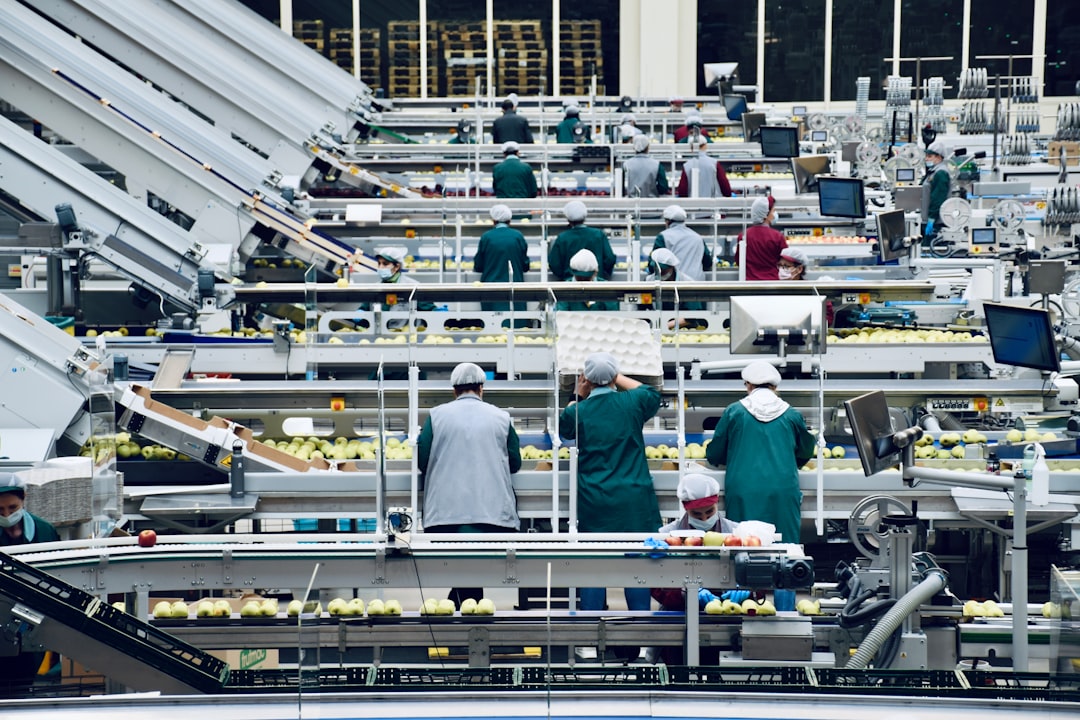
Industry 5.0 is the next evolution of manufacturing, defined by the European Commission in 2021 as a framework that places the wellbeing of workers, the sustainability of the planet, and the resilience of supply chains at the heart of industrial strategy — alongside the efficiency gains of Industry 4.0. It is not a replacement of Industry 4.0 but a complementary layer that adds purpose and responsibility to automation.
Where Industry 4.0 asked "How do we automate this?", Industry 5.0 asks "How do we make automation work for people and the planet?" This shift reflects hard lessons learned during the COVID-19 pandemic, the global chip shortage, and the growing pressure from consumers and regulators for sustainable, ethical supply chains.
The three pillars of Industry 5.0, as defined by the European Commission, are:
- Human-Centricity — Technology serves workers, not the other way around. Cobots, exoskeletons, and AI tools augment human capabilities rather than replace them. Workers are retrained and upskilled for new roles.
- Sustainability — Manufacturing processes are designed to minimize environmental impact. This includes circular economy principles, energy efficiency, carbon tracking, and the use of renewable inputs.
- Resilience — Supply chains and production systems are designed to absorb and recover from disruptions — whether pandemics, geopolitical shocks, or climate events — through redundancy, flexibility, and localization.
In 2026, the Industry 5.0 agenda is accelerating. The EU's Green Deal industrial policy, the US Chips and Science Act, and growing ESG reporting mandates are all pushing manufacturers to embed sustainability and resilience into their core operations — not just their marketing materials.
Industry 5.0 provides a vision of industry that aims beyond efficiency and productivity as the sole goals, and reinforces the role and the contribution of industry to society.
— European Commission, Industry 5.0 Report, 2021
Industry 4.0 vs Industry 5.0: Key Differences at a Glance
Understanding the distinction between Industry 4.0 and Industry 5.0 is essential for any manufacturing leader planning their digital transformation roadmap. The table below summarizes the most important differences across strategy, technology, workforce, and sustainability dimensions.
| Dimension | Industry 4.0 | Industry 5.0 |
|---|---|---|
| Primary Goal | Efficiency & automation | Human wellbeing, sustainability & resilience |
| Core Philosophy | Machines replace humans where possible | Machines augment human capabilities |
| Key Technologies | IIoT, AI, Cloud, Digital Twins, Robotics | Cobots, AI-human collaboration, circular tech, bio-inspired systems |
| Workforce Role | Reduced headcount, specialized operators | Upskilled workforce, human-machine teaming |
| Sustainability Focus | Secondary (cost-driven efficiency) | Central (ESG, circular economy, net zero) |
| Supply Chain Design | Lean, just-in-time, global | Resilient, diversified, partially localized |
| Data Ownership | Centralized cloud platforms | Distributed, edge-first, worker-accessible |
| Success Metrics | OEE, throughput, defect rate | OEE + carbon footprint + worker satisfaction + supply resilience |
| Regulatory Driver | ISO 9001, ISO 27001 | EU Green Deal, CSRD, ISO 14001, ESG frameworks |
| Timeline | 2011–2025 (dominant phase) | 2021–present (emerging & accelerating in 2026) |
The Technologies Driving the Transition in 2026
The transition from Industry 4.0 to Industry 5.0 is not just a philosophical shift — it is being enabled by a new generation of technologies that bridge automation and human collaboration. In 2026, several key innovations are accelerating this transition at scale.
Collaborative Robots (Cobots)
Cobots are industrial robots designed to work safely alongside humans without the need for protective caging. Unlike traditional industrial robots that are programmed for fixed, repetitive tasks in isolated cells, cobots use force-torque sensors, computer vision, and AI to adapt to their environment and collaborate dynamically with human workers. The global cobot market is projected to exceed $12 billion by 2027, with automotive, electronics, and food & beverage leading adoption. Cobots are the physical embodiment of Industry 5.0's human-centric principle.
AI-Augmented Decision Support
Rather than replacing human judgment, the most advanced AI systems in 2026 are designed to augment it. Production supervisors receive AI-generated recommendations on scheduling, quality, and maintenance — but retain final decision authority. This "human in the loop" approach reduces errors, improves speed, and maintains accountability. Platforms like i40Pilot integrate AI analytics directly into operational dashboards, giving frontline managers real-time intelligence without requiring data science expertise. For a deeper look at how AI integrates with existing ERP systems, see our guide on ERP Integration with AI for Manufacturers.
Sustainable Manufacturing Technologies
Industry 5.0's sustainability pillar is being operationalized through a range of technologies including energy management systems (EMS) that optimize consumption in real time, digital product passports that track material provenance and recyclability, and carbon accounting tools integrated directly into MES and ERP platforms. By 2026, the EU's Corporate Sustainability Reporting Directive (CSRD) requires large manufacturers to report Scope 1, 2, and 3 emissions — making these tools no longer optional.
- Global Cobot Market by 2027
- $12B
- Productivity Gain from Industry 4.0 Adoption
- 15–25 %
- Manufacturers Prioritizing Resilience in 2026
- 68 %
- Reduction in Quality Defects (AI-driven QC)
- 20 %
From Vision to Action: How Manufacturers Are Making the Shift
The ebook "De la vision à l'action : l'avenir de l'industrie" by Adam Bagdadi (Digital Factory, 2023) frames the industrial transition not as a technological problem but as a strategic and organizational one. The key insight is that most manufacturers already have the data and the machines — what they lack is the vision architecture to align technology investments with human and environmental outcomes.
In practice, the transition from Industry 4.0 to Industry 5.0 follows a recognizable pattern across leading manufacturers in 2026:
- Audit your Industry 4.0 baseline — Map your existing IIoT infrastructure, data flows, automation level, and OEE performance. Identify gaps between current capability and best-in-class benchmarks.
- Define your Industry 5.0 ambition — Set concrete targets for worker wellbeing (e.g., ergonomic risk reduction, skill development hours), sustainability (e.g., carbon intensity per unit produced), and resilience (e.g., supplier diversification index, lead time variability).
- Identify high-impact cobot and AI-augmentation opportunities — Focus on tasks that are physically demanding, repetitive, or error-prone — not on replacing skilled human judgment.
- Integrate sustainability metrics into your operational dashboards — Carbon, energy, and waste KPIs should sit alongside OEE and throughput in your daily management system.
- Build a workforce transition plan — Upskilling, reskilling, and new role creation are not HR afterthoughts — they are core to the Industry 5.0 value proposition.
- Report and iterate — Use CSRD, GRI, or ISO 14001 frameworks to structure your sustainability reporting, and feed insights back into your operational improvement cycles.
This structured approach mirrors the lean continuous improvement philosophy — but expands its scope beyond efficiency to encompass people and planet. For more on lean principles in modern manufacturing, see our deep dive on Lean Manufacturing in 2026.
Tracking Industry 5.0 Performance: Beyond OEE
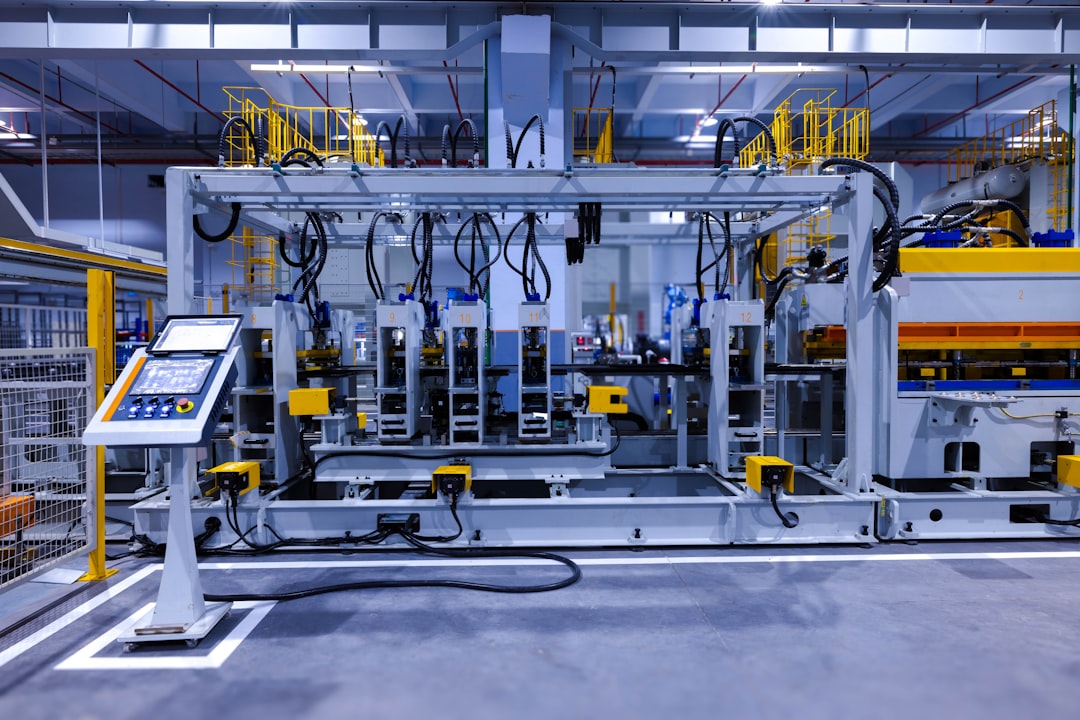
One of the most practical challenges of the Industry 5.0 transition is measurement. Traditional manufacturing KPIs — OEE, throughput, cycle time, defect rate — are well understood and widely tracked. But Industry 5.0 demands a broader scorecard that captures human and environmental performance alongside operational efficiency.
The emerging Industry 5.0 KPI framework in 2026 includes three dimensions:
Operational Excellence (inherited from Industry 4.0)
- OEE (Overall Equipment Effectiveness) — Availability × Performance × Quality, the gold standard for machine productivity
- MTBF / MTTR — Mean Time Between Failures and Mean Time To Repair, critical for predictive maintenance programs
- First Pass Yield (FPY) — Percentage of units produced correctly without rework on the first attempt
Human-Centric KPIs
- Ergonomic Risk Index — Frequency and severity of musculoskeletal risk exposures per operator per shift
- Upskilling Hours per Employee — Investment in workforce capability development, tracked quarterly
- Human-Robot Collaboration Rate — Percentage of production tasks performed in human-cobot teaming mode vs. fully automated or fully manual
Sustainability KPIs
- Carbon Intensity (kg CO₂e / unit produced) — Scope 1 and 2 emissions normalized to production output
- Energy Efficiency Ratio — Energy consumed per unit of value added, tracked against baseline and sector benchmarks
- Circular Material Rate — Percentage of input materials that are recycled, reused, or bio-based
Platforms that can consolidate all three KPI dimensions into a single operational view are becoming a key competitive differentiator. The Production Tracking Dataset below provides a ready-to-use template for tracking these metrics across shifts and production lines.
Document Analysis: Mapping the Industrial Transition Literature
To ground this article in primary sources, we analyzed a structured dataset of 703 industrial documents — including ebooks, research sections, technical reports, and case studies — covering the transition from Industry 4.0 to the factory of the future. The dataset, built from resources including Adam Bagdadi's "De la vision à l'action : l'avenir de l'industrie" (Digital Factory, 2023), maps key themes across the industrial transformation literature: the emergence of Industry 5.0 concepts, the role of human-machine collaboration, sustainability imperatives, and the organizational challenges of digital transformation.
Key thematic clusters identified in the document corpus include:
- Contextual framing — Most documents emphasize that the shift to Industry 5.0 is driven by external pressures (regulation, climate, geopolitics) as much as internal efficiency goals
- Technology stacking — Authors consistently argue that Industry 5.0 technologies are additive to, not replacements for, Industry 4.0 infrastructure
- Workforce centrality — The human dimension — upskilling, ergonomics, job redesign — appears in over 70% of analyzed sections as a primary theme
- Vision-to-action gap — A recurring finding is that manufacturers understand the destination but struggle with the operational roadmap
The full document analysis dataset is embedded below for reference and further exploration.
The Factory of the Future: What Does It Actually Look Like?
The "factory of the future" is not a single blueprint — it is a spectrum of maturity levels, each building on the previous. In 2026, the most advanced manufacturing facilities in Europe, Asia, and North America share a set of common characteristics that embody both Industry 4.0 efficiency and Industry 5.0 values.
Here is what the factory of the future looks like in practice:
- Modular, reconfigurable production lines — Instead of fixed assembly lines optimized for a single product, future factories use modular cells that can be rapidly reconfigured for different products or volumes. This is the physical expression of resilience.
- AI-powered quality control at the edge — Computer vision systems inspect 100% of production in real time, catching defects that human inspectors would miss — while freeing human workers for higher-value tasks like root cause analysis and process improvement.
- Energy-aware manufacturing — Production scheduling algorithms factor in real-time energy prices and carbon intensity of the grid, shifting energy-intensive processes to low-cost, low-carbon windows automatically.
- Digital twin integration at every level — From individual machines to entire plants, digital twins enable continuous simulation, what-if analysis, and remote monitoring — reducing the need for physical presence and enabling faster decision cycles.
- Transparent, traceable supply chains — Blockchain and digital product passport technologies make it possible to trace every component from raw material to finished product, enabling compliance with EU supply chain due diligence regulations and building customer trust.
- Continuous learning organizations — The factory of the future invests as heavily in human capital as in physical capital. Workers rotate through cobot collaboration, data analysis, and process improvement roles — building the adaptive capacity that no machine can replicate.
For a detailed exploration of how Industry 5.0 principles are being operationalized across manufacturing sectors, see our full guide on Industry 5.0: From Smart Automation to Human-Centric Manufacturing.
- Factory of the Future
- Industry 4.0 Foundation
- Industry 5.0 Layer
- Enabling Technologies
- Performance Metrics
- IIoT & Sensors
- Digital Twins
- Predictive Maintenance
- Human-Cobot Collaboration
- Carbon Tracking
- Supply Chain Resilience
- Edge AI
- Modular Robotics
- Digital Product Passport
- OEE + Carbon Intensity
- Worker Wellbeing Index
Industry 4.0 vs Industry 5.0: FAQ
- What is the main difference between Industry 4.0 and Industry 5.0?
- Industry 4.0 focuses on connecting machines, data, and automation to maximize efficiency and productivity. Industry 5.0 builds on this foundation but adds three new priorities: human-centricity (technology should serve workers, not replace them), sustainability (manufacturing must minimize environmental impact), and resilience (production systems must be able to absorb and recover from disruptions). In short, Industry 4.0 asks 'how do we automate?' while Industry 5.0 asks 'how do we make automation work for people and the planet?'
- Does Industry 5.0 replace Industry 4.0?
- No. Industry 5.0 is not a replacement for Industry 4.0 — it is a complementary evolution. Manufacturers are expected to maintain and expand their Industry 4.0 infrastructure (IIoT, AI, cloud, digital twins) while layering Industry 5.0 values on top: human-machine collaboration, circular economy practices, and supply chain resilience. The most competitive factories in 2026 combine both paradigms.
- When did Industry 5.0 officially start?
- The concept of Industry 5.0 was formally defined by the European Commission in a 2021 report titled 'Industry 5.0: Towards a Sustainable, Human-Centric and Resilient European Industry.' While the term had appeared in academic literature earlier, the EC report established the three-pillar framework (human-centricity, sustainability, resilience) that is now widely adopted. In 2026, Industry 5.0 is moving from concept to operational reality, driven by EU regulatory mandates including the CSRD and the Green Deal.
- What are the key technologies of Industry 5.0?
- The key technologies enabling Industry 5.0 include collaborative robots (cobots) designed for safe human-machine teaming, AI-augmented decision support tools that enhance rather than replace human judgment, energy management systems that optimize consumption and carbon intensity in real time, digital product passports for supply chain traceability, and bio-inspired or sustainable materials. These technologies are typically deployed on top of existing Industry 4.0 infrastructure.
- How do manufacturers measure Industry 5.0 performance?
- Industry 5.0 performance requires a broader KPI scorecard than traditional manufacturing metrics. In addition to OEE, throughput, and defect rates inherited from Industry 4.0, manufacturers now track human-centric KPIs (ergonomic risk index, upskilling hours per employee, human-robot collaboration rate) and sustainability KPIs (carbon intensity per unit produced, energy efficiency ratio, circular material rate). Platforms that consolidate all three dimensions into a single operational dashboard are becoming a key competitive tool in 2026.
- Is Industry 5.0 relevant for SMEs or only large manufacturers?
- Industry 5.0 is relevant for manufacturers of all sizes, though the implementation path differs. Large manufacturers face more immediate regulatory pressure (CSRD, supply chain due diligence) and have more resources to invest in cobots and sustainability infrastructure. SMEs can start with targeted, high-impact steps: deploying a single cobot cell, implementing an energy monitoring system, or mapping their supply chain carbon footprint. Many Industry 5.0 technologies have become significantly more affordable since 2023, making them accessible to mid-market manufacturers.
Start Your Industry 5.0 Journey with the Right Data Infrastructure
The transition from Industry 4.0 to Industry 5.0 ultimately depends on data — not just more data, but better-organized, more accessible, and more actionable data. Manufacturers who win in this transition are those who can connect operational performance, human wellbeing, and environmental impact in a single, coherent view.
i40Pilot is built for exactly this challenge. It combines industrial planning, BI dashboards, collaborative workspaces, and AI-powered analytics in a single platform — giving manufacturing teams the visibility they need to navigate the Industry 4.0-to-5.0 transition without adding complexity or tool sprawl. Whether you're tracking OEE alongside carbon intensity, managing cobot deployment schedules, or building your CSRD reporting baseline, i40Pilot provides the operational backbone you need.
For manufacturers looking to understand how planning data flows across the organization, our guide on Industrial Planning Data: Optimizing Scheduling and Resource Allocation is an essential companion to this article.