
The transition from Industry 4.0 to Industry 5.0 represents more than just technological evolution—it's a human-centric revolution in manufacturing. While Industry 4.0 focused on automating processes and integrating smart technologies, Industry 5.0 brings people back to the center of innovation. In this article, you'll discover the core differences, the challenges ahead, and practical strategies for successfully embracing the Industry 5.0 paradigm in 2026 and beyond.
Understanding Industry 4.0 vs Industry 5.0: Definitions and Key Differences
Industry 4.0 refers to the digital transformation of manufacturing through automation, IoT, and AI, driving productivity and efficiency. Industry 5.0, emerging in 2026, builds on this foundation by emphasizing human-machine collaboration, sustainability, and societal value. Instead of replacing humans, Industry 5.0 enhances their roles, blending advanced robotics with creative human input. The result is a more resilient, adaptive, and innovative production ecosystem—one where technology serves people, not the other way around.
- Industry 4.0: Focus on automation, data integration, and cyber-physical systems.
- Industry 5.0: Emphasizes human-centricity, personalization, and sustainable value creation.
This shift is already impacting business strategies and workforce planning across sectors.
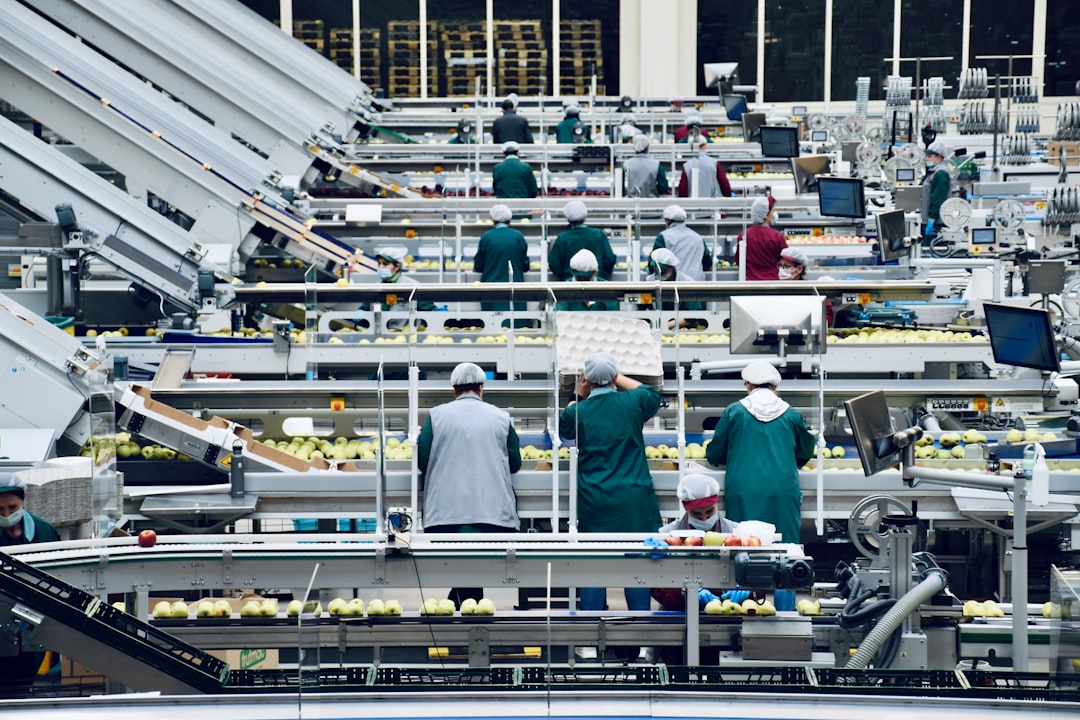
- Smart Factory Adoption
- 72 %
- Workforce Upskilling Demand
- 65 %
- Human-Robot Collaboration Projects
- 40 %
- Sustainability Initiatives in Manufacturing
- 58 %
| Dimension | Industry 4.0 | Industry 5.0 |
|---|---|---|
| Core Focus | Automation & Efficiency | Human-Centricity & Personalization |
| Technology | IoT, AI, Big Data | Collaborative Robots, Human-AI Synergy |
| Societal Impact | Productivity | Sustainability & Social Value |
| Role of Workforce | Process Operators | Creative Collaborators |
| Strategic Goal | Cost Reduction | Innovation & Adaptability |
From Automation to Collaboration: The Human Role in Industry 5.0
Industry 5.0 places humans at the epicenter of value creation. Employees are no longer just operators—they become creative problem-solvers working alongside intelligent machines. This paradigm shift means:
- Human-AI partnerships for complex decision-making
- Increased need for upskilling and digital literacy
- Enhanced workplace safety and well-being through collaborative robots
- Workforce engagement in sustainability and personalization initiatives
Companies that prioritize human empowerment see higher innovation rates and improved employee satisfaction. For hands-on strategies, check out our guide on Workforce Upskilling for Digital Factories.
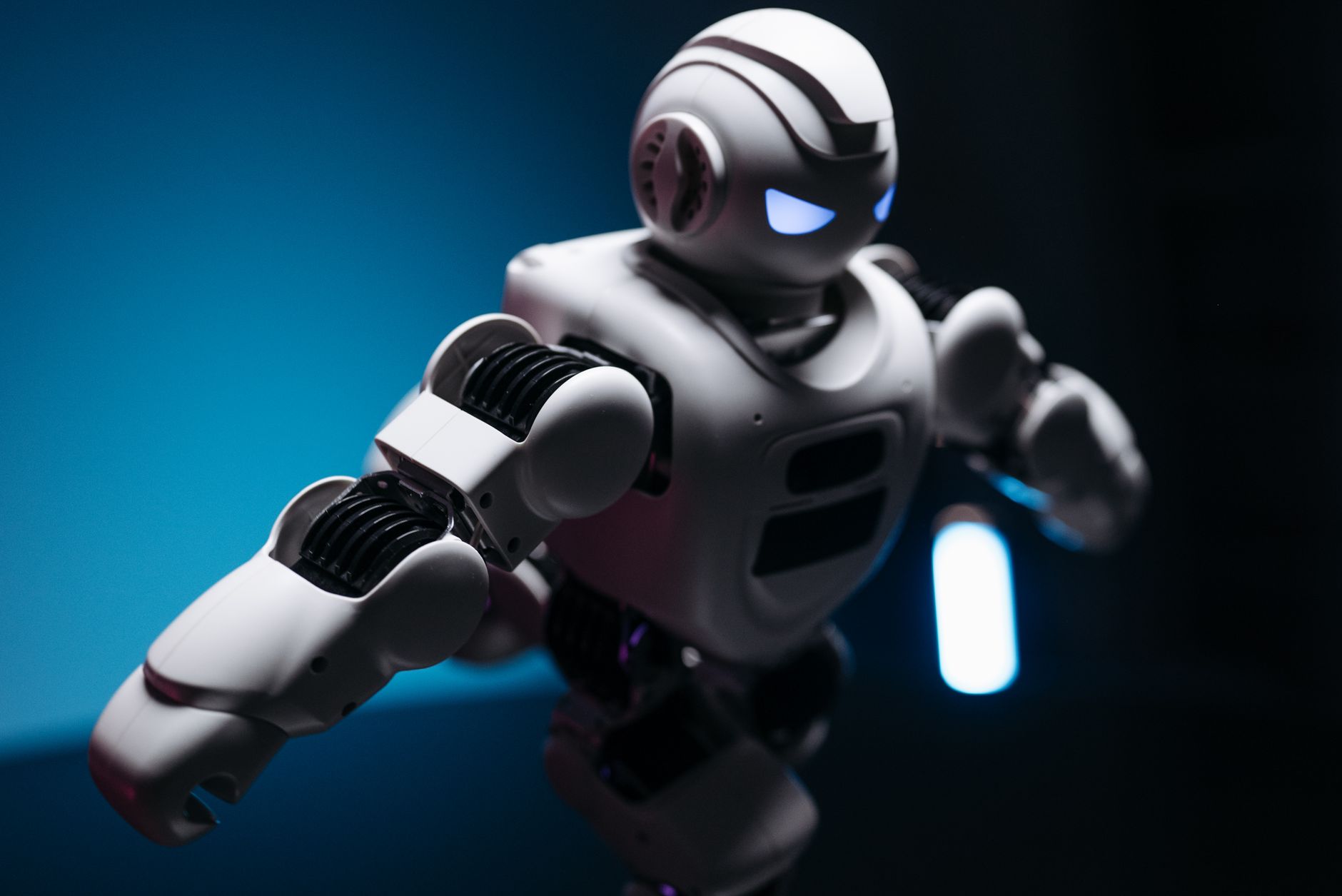
Industry 5.0 is about augmenting human potential, not replacing it. The future belongs to companies that empower their people to innovate with technology.
— Adam Bagdadi, author of 'From Vision to Action: The Future of Industry'
- <strong>Empowerment</strong> — Workers gain creative autonomy in problem-solving.
- <strong>Safety</strong> — Collaborative robots (cobots) reduce workplace accidents.
- <strong>Personalization</strong> — Custom products are created faster with human-AI synergy.
Challenges and Opportunities in the Transition to Industry 5.0
Moving from Industry 4.0 to Industry 5.0 presents both challenges and new opportunities for manufacturers and their teams. Key challenges include workforce upskilling, managing change resistance, and integrating legacy systems with next-gen tech. Yet, the rewards are substantial:
- Boosted innovation through cross-disciplinary teams
- Enhanced sustainability and social responsibility
- Greater agility in responding to market changes
- Clearer alignment with regulatory and ESG requirements
For a practical perspective on digital automation and tool consolidation, see our article on Tool Consolidation for SMB Managers.
- Widespread Adoption of Industry 4.0 — Smart factories and AI-powered automation become mainstream.
- First Pilots of Industry 5.0 — Early projects blend human creativity with collaborative robotics.
- Industry 5.0 Scaling — Major manufacturers integrate human-centric technologies and sustainability at scale.
- Human-AI Synergy as Industry Standard — Human empowerment, adaptability, and social value drive manufacturing strategies.
Industry 5.0 in Practice: Strategies for Implementation
Implementing Industry 5.0 requires a holistic approach that includes technology, people, and processes. Key strategies include:
- Assess Current Capabilities — Map out digital maturity and workforce skills.
- Invest in Human-AI Collaboration Tools — Deploy collaborative robots and digital twins.
- Foster a Culture of Innovation — Encourage experimentation and reward creative ideas.
- Prioritize Sustainability — Integrate circular economy and green manufacturing principles.
- Engage Employees in the Transition — Open communication and co-design of workflows are critical.
Start small with pilot projects, learn fast, and scale wins across the organization.
- Digital Maturity Assessment
- Upskilling Programs
- Deploy Collaborative Tech
- Foster Innovation Culture
- Sustainability Integration
- Continuous Feedback
Document Analysis: Insights from 'From Vision to Action: The Future of Industry'
The book 'From Vision to Action: The Future of Industry' by Adam Bagdadi provides a comprehensive framework for understanding and implementing Industry 5.0. The document analysis spreadsheet includes:
- Detailed breakdown of sections: Introduction, Context, Key Differences, Human Role, Challenges
- Metadata such as author, publisher, year, and contact details
- Page references for each chapter, facilitating deep dives into specific topics
This analytical resource helps both business leaders and industry practitioners navigate the evolving industrial landscape with clarity and actionable insights.
Key Takeaways and Next Steps for Leaders
Industry 5.0 is already reshaping how organizations design, produce, and deliver value. The journey from Industry 4.0 to 5.0 is not automatic—it requires vision, investment, and above all, a commitment to people. Leaders should:
- Champion upskilling and lifelong learning
- Invest in collaborative and sustainable technologies
- Foster a culture where human creativity and digital tools thrive together
To further explore how AI-powered platforms and unified workspaces can accelerate your digital transformation, see The True ROI of Switching to a Unified Workspace.
- What is the main difference between Industry 4.0 and Industry 5.0?
- Industry 4.0 focuses on automation and smart technologies, while Industry 5.0 emphasizes human-centricity, collaboration between people and machines, and sustainable innovation.
- How can companies prepare for Industry 5.0?
- Companies should invest in workforce upskilling, adopt collaborative technologies, and foster a culture of innovation and sustainability to successfully transition to Industry 5.0.
- What role does AI play in Industry 5.0?
- AI in Industry 5.0 augments human skills, enabling better decision-making, personalized products, and safer workplaces through collaboration with intelligent systems.
- Is Industry 5.0 relevant for small and medium businesses?
- Yes, SMEs can benefit from Industry 5.0 by leveraging flexible automation, empowering their workforce, and differentiating through personalized and sustainable offerings.
- Are there real-world examples of Industry 5.0 in action?
- Yes, leading manufacturers are piloting human-robot collaboration, upskilling programs, and sustainability initiatives as core elements of their Industry 5.0 strategies.
- Where can I find more resources about Industry 5.0 transformation?
- Check out comprehensive frameworks and practical guides like 'From Vision to Action: The Future of Industry' and explore related articles on digital transformation.