
A freelance proposal template is a pre-structured document that lets independent professionals turn a client conversation into a polished, ready-to-send proposal in minutes instead of hours. Instead of rewriting scope, pricing, and terms from scratch every time, freelancers who use a repeatable template report closing deals 30-40% faster because they can respond to inquiries while the client's interest is still fresh. This guide shows you exactly how to structure, customize, and send a professional proposal in 10 minutes flat — plus a ready-to-use spreadsheet system you can start using today.
Why a Freelance Proposal Template Saves You Hours Every Week
Every hour spent formatting a proposal from a blank page is an hour not spent on billable client work. A freelance proposal template eliminates this waste by giving you a fixed skeleton — introduction, scope, pricing, timeline, terms — that you simply fill in with client-specific details. The result is not just speed, but consistency: clients receive the same professional structure every time, which builds trust and signals that you run an organized business.
Freelancers juggling multiple prospects at once face a specific challenge: keeping proposal data, client details, and pricing tiers organized without duplicating effort. This is where structuring your client and project data properly becomes essential — a messy inbox of Word documents leads to inconsistent pricing, missed follow-ups, and lost revenue. A template-driven workflow, backed by a simple spreadsheet, solves this at the root.
- <strong>Speed</strong> — cut proposal drafting time from 45+ minutes to under 10
- <strong>Consistency</strong> — every client sees the same professional formatting and tone
- <strong>Accuracy</strong> — pricing and scope pulled from a single source of truth, not memory
- <strong>Scalability</strong> — send more proposals per week without burning out
- Avg. drafting time (no template)
- 45 min
- Avg. drafting time (with template)
- 8 min
- Faster response = higher win rate
- 35 %
- Freelancers using reusable templates
- 62 %
What Every Freelance Proposal Template Must Include
An effective freelance proposal template covers six core sections that answer every question a client has before they sign. Skipping any of these forces back-and-forth emails that slow the deal down and give competitors room to swoop in.
- <strong>Introduction & context</strong> — a short paragraph restating the client's problem in your own words
- <strong>Scope of work</strong> — a bullet list of exact deliverables, not vague promises
- <strong>Timeline</strong> — key milestones with realistic dates
- <strong>Pricing</strong> — flat fee, hourly rate, or package tiers, clearly broken down
- <strong>Terms & conditions</strong> — payment schedule, revisions policy, cancellation clause
- <strong>Call to action</strong> — a clear next step (e.g., 'Reply to confirm' or an e-signature link)
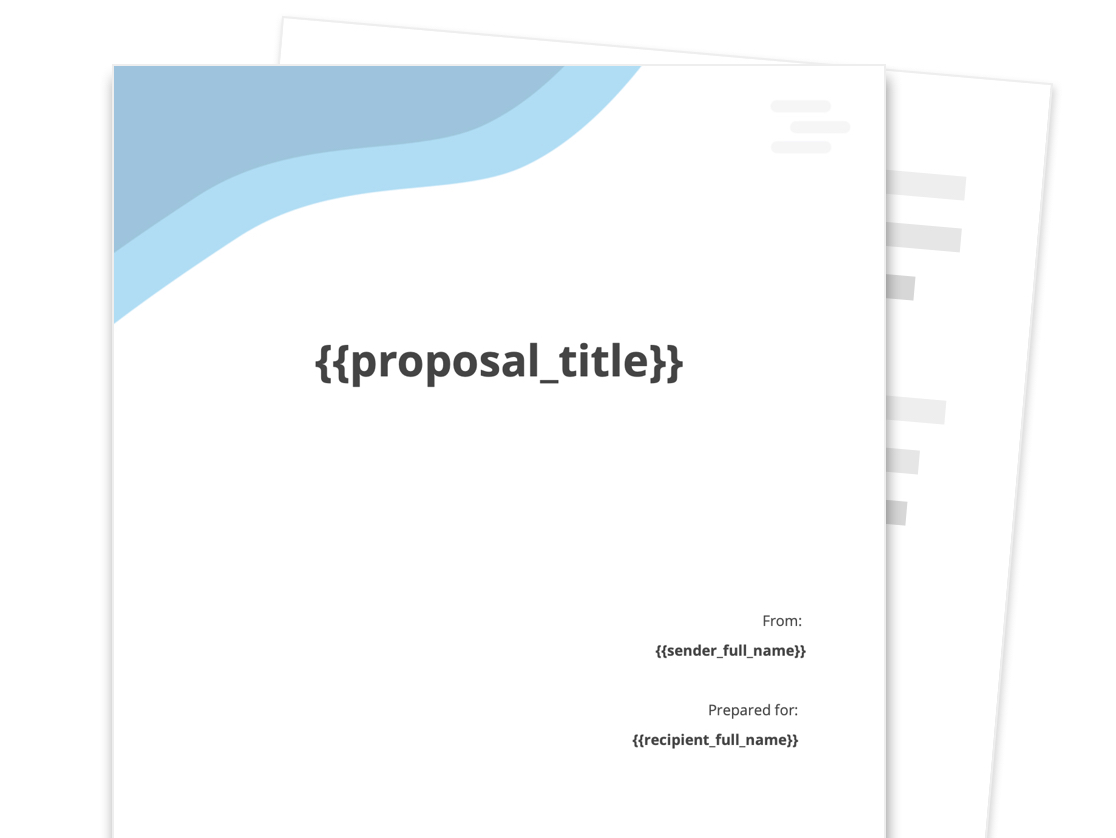
How to Write a Freelance Proposal in 10 Minutes
Writing a proposal fast doesn't mean writing a generic one. The trick is separating fixed content (your bio, standard terms, service packages) from variable content (client name, specific scope, custom pricing). Once these are separated in a template, filling in the variables takes minutes.
- Open proposal template
- Insert client name & context
- Select scope from service list
- Pull pricing from rate sheet
- Set timeline & milestones
- Review & export as PDF
- Send to client
Step one is always the same: open your template and drop in the client's name, project context, and the pain point they mentioned during your discovery call. Step two is selecting the relevant scope items from a pre-written service list — no retyping deliverables from memory. Step three pulls pricing directly from your standardized rate sheet, so numbers stay consistent across every deal you send. This is exactly the kind of repeatable structure freelancers use when they build a freelancer CRM to track clients, projects, and revenue in one place — the proposal becomes just one output of a well-organized system, not a standalone chore.
Freelancers who templatize their sales documents spend less time on admin and more time delivering — which compounds into faster growth and better client retention.
— Industry survey on freelance business operations, 2026
Structuring Your Proposal Data: The Spreadsheet Behind the Template
A proposal template is only as fast as the data feeding it. Behind every quick-to-send document sits a structured dataset: client details, service packages, pricing tiers, and project timelines. Rather than storing this information across scattered notes and emails, freelancers get the biggest speed gains by centralizing it in a single spreadsheet workbook that acts as the single source of truth for every proposal they generate.
Below is a live example of this kind of structured workbook. It organizes sales data, customer records, and project experience details — the exact building blocks a freelance proposal template pulls from when generating a new client document. Instead of retyping pricing or client info, you simply reference the relevant row.
This workbook includes dedicated sheets for sales_data (order IDs, product names, quantities, totals), customer_data (customer IDs, order dates, regions), and an experience sheet tracking company, position, and role history — the same fields you'd reuse to auto-populate a proposal's client info and past-project credibility section. Structuring your inputs this way means a new proposal is a matter of copy-referencing a row, not rewriting a paragraph.
Pricing Strategies to Include in Your Template
How you present pricing inside your freelance proposal template directly affects your close rate. Offering three tiers instead of a single flat number gives clients a sense of control and often nudges them toward the middle option — a well-documented anchoring effect in sales psychology.
| Package | Scope | Typical Price Range | Best For |
|---|---|---|---|
| Starter | Single deliverable, 1 revision round | $300 – $800 | Small, well-defined tasks |
| Standard | Full project scope, 2 revision rounds | $800 – $2,500 | Most freelance engagements |
| Premium | Full scope + ongoing support/retainer | $2,500+ | Long-term or complex projects |
Once a proposal is signed, the next friction point is getting paid on time. Pairing your proposal template with a clear invoicing process closes the loop — see our guide on how to send professional invoices as a freelancer for a matching template you can chain directly after contract signature.
Common Mistakes That Slow Down Proposal Delivery
Even with a template, certain habits quietly add minutes — or hours — back into your process. Recognizing these patterns is the fastest way to protect your 10-minute turnaround.
- <strong>Rewriting boilerplate text every time</strong> — your bio, standard terms, and process description should never be retyped
- <strong>Manually recalculating pricing</strong> — use a rate sheet or formula-driven spreadsheet instead of mental math
- <strong>Skipping a review checklist</strong> — a 60-second proofread catches typos that undermine credibility
- <strong>Sending as an editable Word file</strong> — export to PDF or a locked format to look more professional and prevent accidental edits
- <strong>No tracking system</strong> — without a log of sent proposals, follow-ups get forgotten and deals go cold
How do I know if my proposal template needs an update?
Review your template every quarter. If you're consistently editing the same section by hand (like a new service offering or updated rate), that's a signal the template itself is outdated. Track win/loss rates per template version — if response rates drop, revisit your scope wording and pricing presentation before assuming the issue is your rates.
Automating Your Proposal Workflow Beyond the Template
A static template gets you to 10 minutes. Automation and centralized data get you further — auto-filled client fields, e-signature integration, and automatic follow-up reminders can shrink total proposal-to-signature time even more. Freelancers running multiple client pipelines benefit from consolidating proposals, contracts, and invoices into a single toolkit rather than juggling separate apps, as outlined in our guide on building an all-in-one freelancer toolkit.
For freelancers managing a growing number of inbound leads, automating the intake step itself — before the proposal is even written — can save additional hours per week. Structured intake forms capture project scope and budget expectations automatically, feeding directly into your proposal template's variable fields, similar to the workflow described in automating client onboarding with AI forms and workflows.
- What should a freelance proposal template include?
- A freelance proposal template should include an introduction addressing the client's problem, a detailed scope of work, a realistic timeline, transparent pricing (ideally in tiers), clear terms and conditions, and a strong call to action. These six sections cover the questions clients need answered before signing.
- How long should a freelance proposal be?
- A freelance proposal should generally be one to two pages. Clients skim documents before reading in detail, so a concise, well-structured proposal converts better than a lengthy one filled with unnecessary detail.
- How can I write and send a proposal in 10 minutes?
- You can write and send a proposal in 10 minutes by separating fixed content (your bio, standard terms, service descriptions) from variable content (client name, specific scope, pricing) in a reusable template, then filling in only the variable fields for each new client before exporting to PDF.
- Should I offer multiple pricing tiers in my proposal?
- Yes, offering three pricing tiers (Starter, Standard, Premium) rather than a single flat price gives clients a sense of choice and typically increases the average deal size, since most clients gravitate toward the middle option.
- What tool should I use to manage my freelance proposals?
- A spreadsheet-based system works well for most freelancers because it centralizes client data, pricing tiers, and past project details in one place, letting you populate new proposals quickly without duplicating information across multiple files.
- How often should I update my proposal template?
- Review your proposal template every quarter or whenever you notice yourself manually editing the same section repeatedly. Declining response rates are also a signal that your scope wording or pricing presentation needs revisiting.