
Energy efficiency in smart manufacturing is a critical lever for boosting sustainability and reducing operational costs in today’s industrial landscape. By leveraging advanced automation, IoT, and data analytics, manufacturers can optimize energy use, minimize waste, and achieve ambitious sustainability goals. This article delivers actionable insights and proven strategies for automation experts to enhance energy efficiency across smart factories in 2026 and beyond.
Understanding Energy Efficiency in Smart Manufacturing
Energy efficiency in smart manufacturing refers to the strategic use of advanced digital technologies to minimize energy consumption while maximizing productivity and sustainability. For industrial automation experts, understanding this concept is crucial to drive cost reductions and support environmental targets.
Smart manufacturing integrates Industry 4.0 principles, deploying sensors, real-time data analytics, and cloud-based monitoring to identify and eliminate energy waste at every production stage. According to the International Energy Agency, manufacturing accounts for about 37% of global final energy use, making efficiency gains a top priority.
Key characteristics of energy-efficient smart manufacturing include:
- Real-time energy monitoring: IoT sensors and advanced analytics help pinpoint inefficiencies instantly.
- Automated process control: Machine learning algorithms dynamically adjust machine operations to reduce unnecessary energy expenditure.
- Predictive maintenance: Data-driven systems anticipate equipment failures, reducing downtime and avoiding energy spikes.
Ultimately, integrating energy efficiency into smart manufacturing is not just about reducing costs—it's about building resilient, sustainable production ecosystems that meet both regulatory and market demands. This foundational understanding sets the stage for exploring the technologies and practices that drive success in this domain.
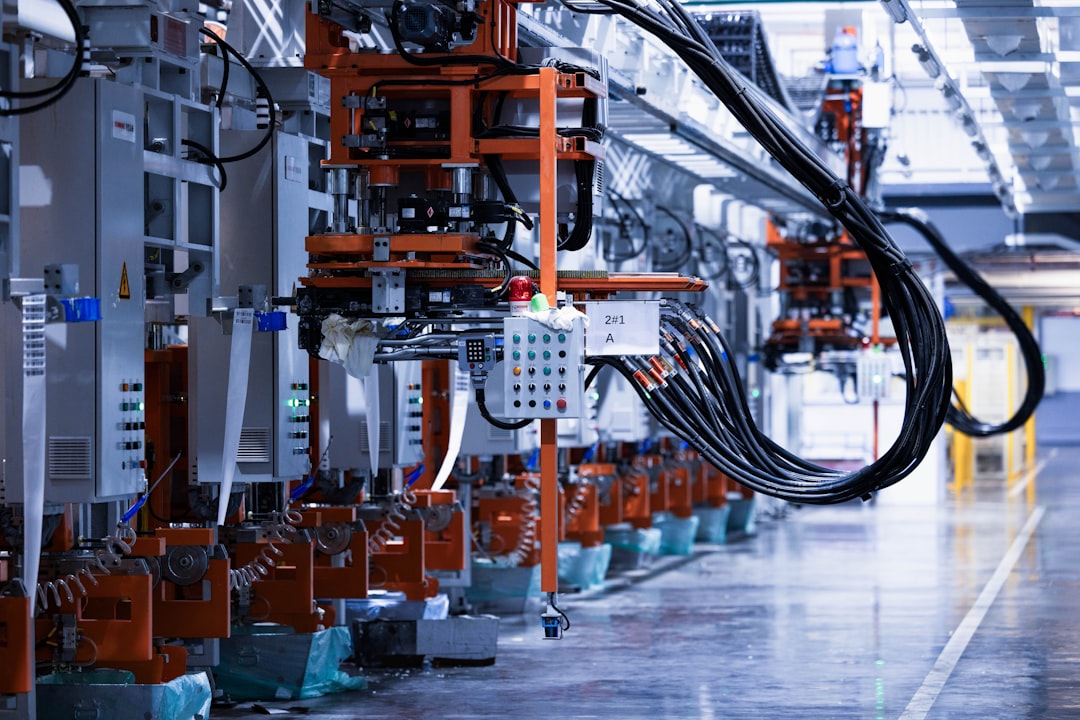
- Energy Savings with Smart Tech
- 25 %
- CO₂ Emissions Reduction
- 30 %
- ROI on Energy Investments
- 3 years
- Global Smart Factory Adoption
- 62 %
Key Technologies Driving Energy Efficiency
Key technologies are revolutionizing energy efficiency in smart manufacturing by enabling granular monitoring, automated optimization, and data-driven decision-making. Industrial automation experts leverage these innovations to achieve measurable sustainability gains.
Among the primary technologies driving energy efficiency are:
- IoT Sensors: Real-time monitoring of power usage, machine status, and environmental conditions allows for immediate identification of energy hotspots. Studies show that IoT deployment can cut factory energy consumption by up to 20%.
- Artificial Intelligence & Machine Learning: AI algorithms analyze vast datasets to suggest process improvements and dynamically adjust operations, reducing energy waste without human intervention.
- Advanced Automation & Robotics: Automated systems streamline workflows, minimizing idle times and ensuring that machinery operates only when necessary, which can decrease energy intensity by 10-30%.
- Energy Management Systems (EMS): These centralized platforms integrate data from across the factory, enabling predictive analytics and targeted energy-saving actions.
Adopting these technologies not only supports regulatory compliance but also drives long-term competitiveness and environmental responsibility in the manufacturing sector.
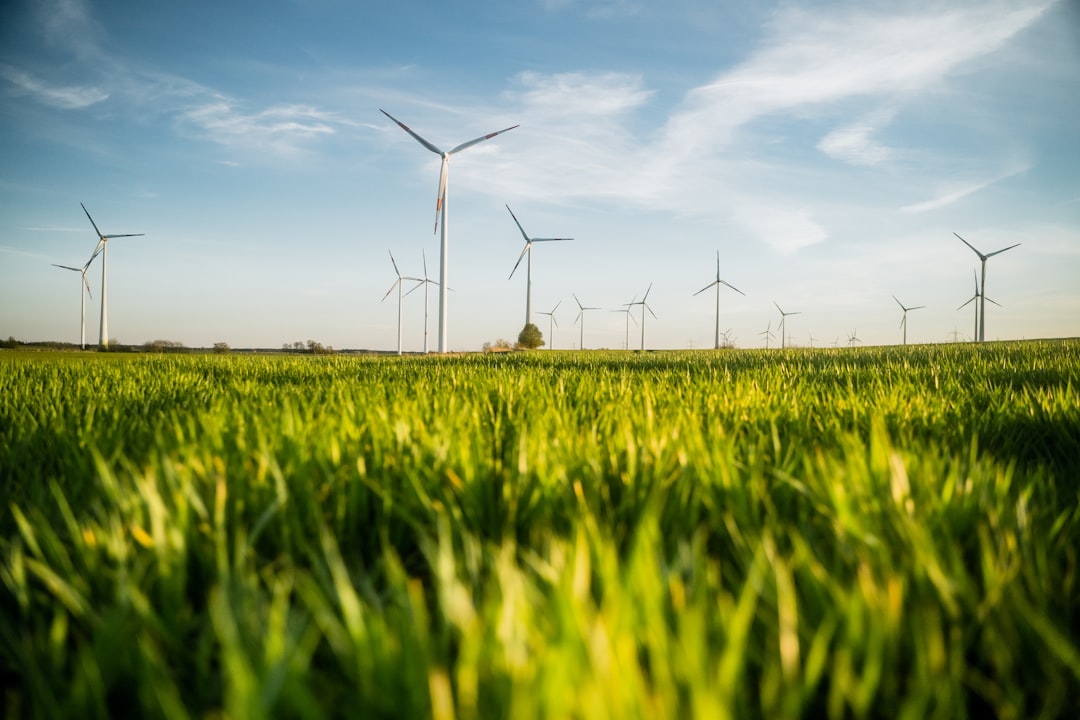
- <strong>IoT-Enabled Energy Monitoring</strong> — Real-time data collection from machines for precise energy management.
- <strong>AI-Based Predictive Maintenance</strong> — Minimizes unplanned downtimes and energy waste.
- <strong>Automated Process Optimization</strong> — Dynamic adjustments based on demand and energy pricing.
| Technology | Energy Efficiency Impact | Implementation Complexity |
|---|---|---|
| IoT Sensors | High | Medium |
| AI Optimization | Very High | High |
| LED Lighting | Medium | Low |
| Variable Speed Drives | High | Medium |
Best Practices for Sustainable Smart Factories
Implementing best practices is essential for achieving sustainable energy efficiency in smart factories. These practices ensure that technological investments translate into real-world energy savings and environmental impact reductions.
To optimize energy performance in smart manufacturing, experts recommend:
- Conducting regular energy audits: Systematic assessments uncover hidden inefficiencies and prioritize areas for improvement. According to the U.S. Department of Energy, facilities that implement audit recommendations see an average energy reduction of 8-10%.
- Integrating renewable energy sources: Solar panels, wind turbines, and battery storage can significantly cut reliance on fossil fuels. For example, Schneider Electric reports a 25% decrease in grid energy use in their factories after integrating renewables.
- Establishing cross-functional energy teams: Collaboration between operations, maintenance, and IT fosters a culture of continuous improvement and accountability.
- Implementing real-time monitoring dashboards: Visualizing energy data helps operators respond quickly to anomalies and track progress toward sustainability goals.
Sustainability has become a core KPI for smart manufacturers, with energy efficiency at its very heart.
— Dr. Lisa Grant, Industrial Sustainability Expert
- <strong>Continuous Energy Audits</strong> — Regular assessments to uncover hidden losses.
- <strong>Employee Engagement</strong> — Training staff on energy-saving protocols.
- <strong>Demand-Side Management</strong> — Adapting production schedules to off-peak tariffs.
How to Integrate Energy KPIs into MES Platforms
[EXPAND]
Measuring and Benchmarking Energy Performance
Measuring and benchmarking energy performance is essential for identifying inefficiencies and setting achievable targets within smart manufacturing environments. Experts agree that without accurate measurement, energy-saving initiatives lack direction and impact. Energy performance measurement typically involves both real-time monitoring and historical data analysis to track improvements over time.
- Key Performance Indicators (KPIs): Common KPIs include kilowatt-hours (kWh) per unit produced, energy cost per production hour, and carbon footprint per process step.
- Advanced Metering Infrastructure (AMI): Smart meters and IoT sensors collect granular data on energy consumption at machine, line, or plant levels.
- Benchmarking Frameworks: Standards such as ISO 50001 or the U.S. Department of Energy’s Better Plants Program provide structured approaches to compare performance internally and against industry peers.
For example, deploying a real-time energy management system enabled a leading automotive plant to reduce its energy use by 12% within one year, simply by identifying idle machinery and optimizing shift patterns. Moreover, benchmarking enables continuous improvement by spotlighting high performers and setting realistic goals for underperforming assets. Integrating these practices into a broader sustainability strategy empowers industrial automation experts to drive efficiency and competitiveness across their operations.
- Widespread IoT sensor adoption — Factories begin integrating IoT sensors for energy monitoring.
- AI-Driven Optimization — AI algorithms start automating energy-efficient production scheduling.
- Sustainability as Strategic Priority — Energy efficiency KPIs become board-level metrics in smart manufacturing.
Challenges and Barriers to Energy Optimization
Challenges and barriers to energy optimization in smart manufacturing are multifaceted and can significantly slow progress toward sustainability. Despite clear benefits, many facilities encounter persistent obstacles that require both technical and organizational solutions.
- Legacy Equipment: Much of the installed base in manufacturing is over 20 years old; retrofitting or replacing such assets to enable energy monitoring can be costly and technically complex.
- Data Silos: Disconnected systems and lack of data integration impede visibility into energy usage across different production lines or sites.
- Investment Constraints: Upfront costs for smart sensors, advanced analytics, and staff training can deter organizations, even though payback periods often range from 1 to 3 years.
- Workforce Skills Gaps: Successful deployment of energy optimization strategies requires expertise in data analytics, automation, and energy management, which may be lacking in traditional manufacturing teams.
- Operational Disruption: Implementing new systems can interfere with daily production schedules, creating resistance among plant managers concerned about downtime.
Addressing these barriers demands a holistic approach, combining incremental upgrades, cross-functional collaboration, and clear communication of ROI. For instance, a 2022 survey found that 62% of manufacturers cited legacy infrastructure as their top challenge, emphasizing the need for tailored solutions and phased implementation strategies. Overcoming these obstacles is vital to unlock the full potential of energy efficiency in smart manufacturing.
| Barrier | Impact | Solution |
|---|---|---|
| Legacy Equipment | Limits data access | Retrofit with IoT modules |
| Data Silos | Impairs analytics | Adopt unified platforms |
| High Upfront Investment | Delays ROI | Leverage government incentives |
Future Outlook: The Role of Energy Efficiency in Smart Manufacturing Sustainability
The future of energy efficiency in smart manufacturing is pivotal for the sustainability of industrial operations. As global energy prices rise and ESG (Environmental, Social, and Governance) pressures intensify, the integration of energy-efficient technologies is shifting from a competitive advantage to a business imperative. Energy efficiency is expected to underpin the next wave of smart manufacturing innovation.
- AI-Driven Optimization: By 2027, it’s projected that over 60% of smart factories will utilize artificial intelligence to dynamically adjust energy loads, resulting in potential savings of up to 25% on operational costs.
- Digital Twins and Predictive Analytics: The rise of digital twin solutions enables manufacturers to simulate and optimize energy flows virtually before implementing changes on the shop floor.
- Renewable Energy Integration: The share of on-site renewable energy in industrial consumption is set to rise from 9% in 2021 to 17% by 2030, according to the International Energy Agency.
Moreover, regulatory frameworks are increasingly stringent, with the European Union’s Energy Efficiency Directive aiming for a 32.5% improvement by 2030, urging manufacturers to proactively invest in smart energy management. Embracing these technologies and strategies ensures not only compliance but also resilience, cost savings, and a reduced carbon footprint. In this rapidly evolving landscape, industrial automation experts will play a central role in designing and implementing the next generation of sustainable, energy-efficient manufacturing systems.
- Energy Efficiency in Smart Manufacturing
- Measurement & Benchmarking
- Technology Adoption
- Process Optimization
- Organizational Change
- IoT Sensors
- AI Analytics
- Real-Time Scheduling
- Workforce Training
- What is energy efficiency in smart manufacturing?
- Energy efficiency in smart manufacturing refers to optimizing energy consumption through automation, real-time monitoring, and advanced analytics to reduce waste and support sustainability.
- Which technologies improve energy efficiency in smart factories?
- Key technologies include IoT sensors, AI-based process optimization, predictive maintenance tools, and energy management systems integrated with MES and ERP platforms.
- How does energy efficiency support sustainability goals?
- Efficient energy use reduces carbon emissions, operational costs, and resource waste, directly contributing to corporate sustainability targets and regulatory compliance.
- What are common barriers to implementing energy-efficient solutions?
- Common barriers include legacy equipment, data silos, high initial investment, and lack of skilled staff for deploying advanced technologies.
- How can manufacturers measure energy efficiency progress?
- Manufacturers can track KPIs such as total energy consumption per unit, CO₂ emissions, and savings realized through digital dashboards and regular audits.
- What is the future of energy efficiency in smart manufacturing?
- The future includes increased use of AI, digital twins, and a stronger integration of energy metrics into all levels of manufacturing decision-making for greater sustainability.